
“I do not save only for myself. I also save for my children and future generations.”
Ssempijja Rodgers · Smartlife Flexi member
“I do not save only for myself. I also save for my children and future generations.”
Ssempijja Rodgers · Smartlife Flexi member
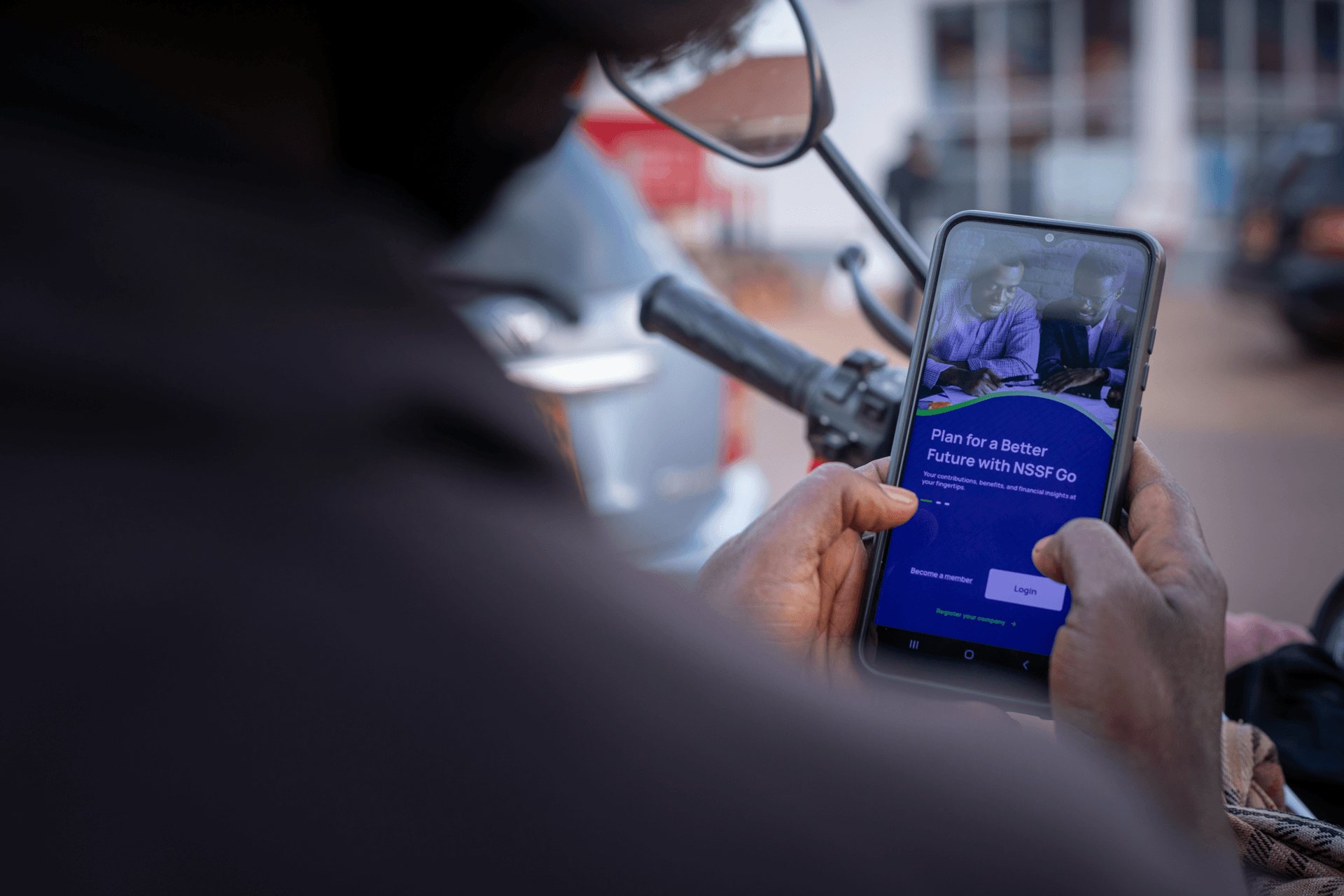
I strongly disagree with the idea that saving with NSSF is only for salaried or office-based workers. Smartlife Flexi is particularly relevant to people whose income comes in small or irregular amounts, such as market traders, farmers, boda-boda riders, and food vendors.
Being able to save part of my daily income through mobile money makes it convenient, and the confirmation message after each deposit reassures me that my contribution has been recorded. The low entry amount reminds me that every shilling counts. Saving should begin with whatever amount you can realistically afford.
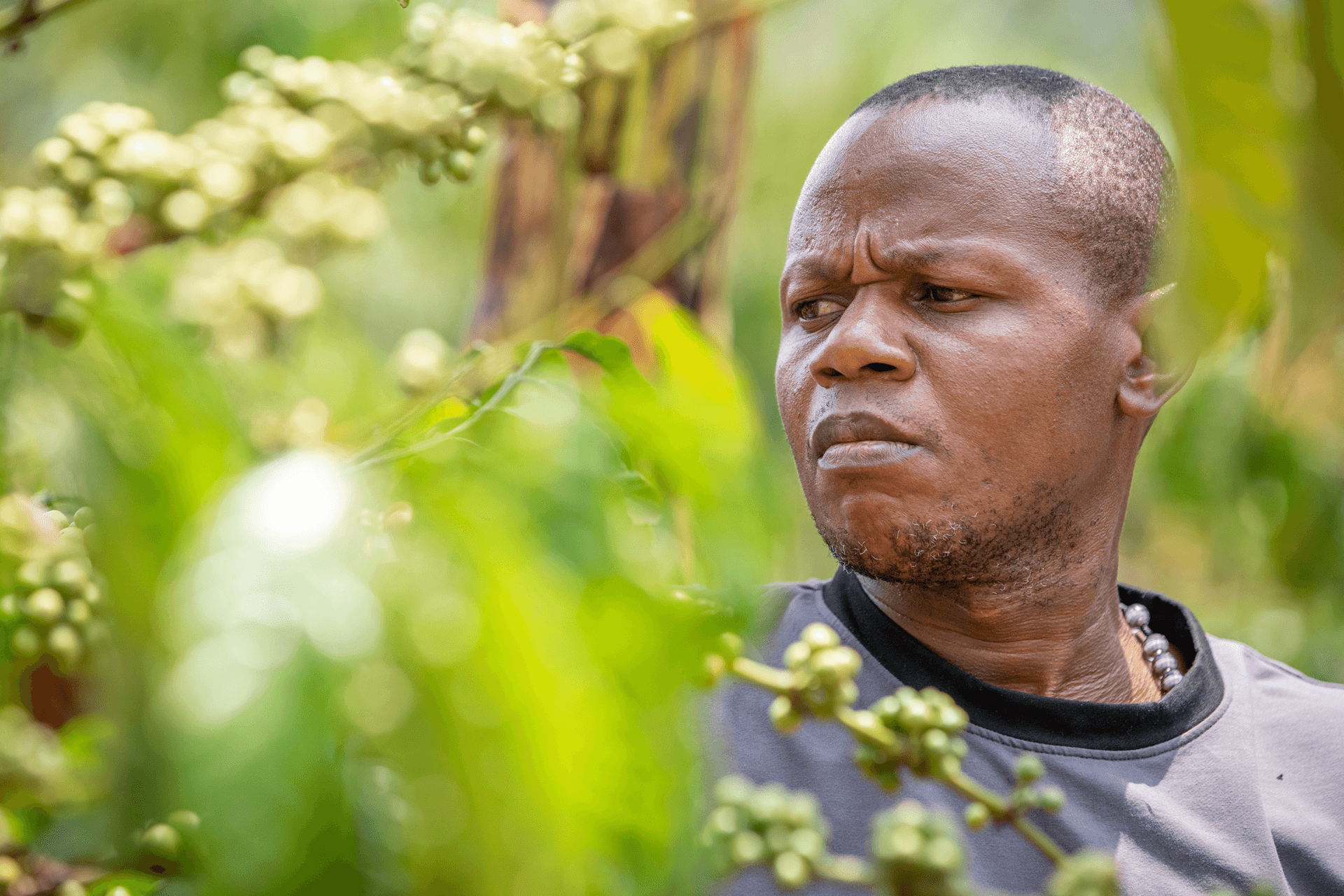
Income in the informal sector can fluctuate and there are always competing financial demands. Immediate needs often take priority over the future.
Many people also believe they cannot afford to save or prefer putting their money into their businesses or visible assets. But often it comes down to mindset and discipline. People wait until they earn more before they start saving, when they could begin with a small amount and build from there. I did not fully understand Smartlife at first, but seeing the final outcome, after the saving gave me confidence.
“Don't wait until you have enough money to start saving. Start with what you have.”
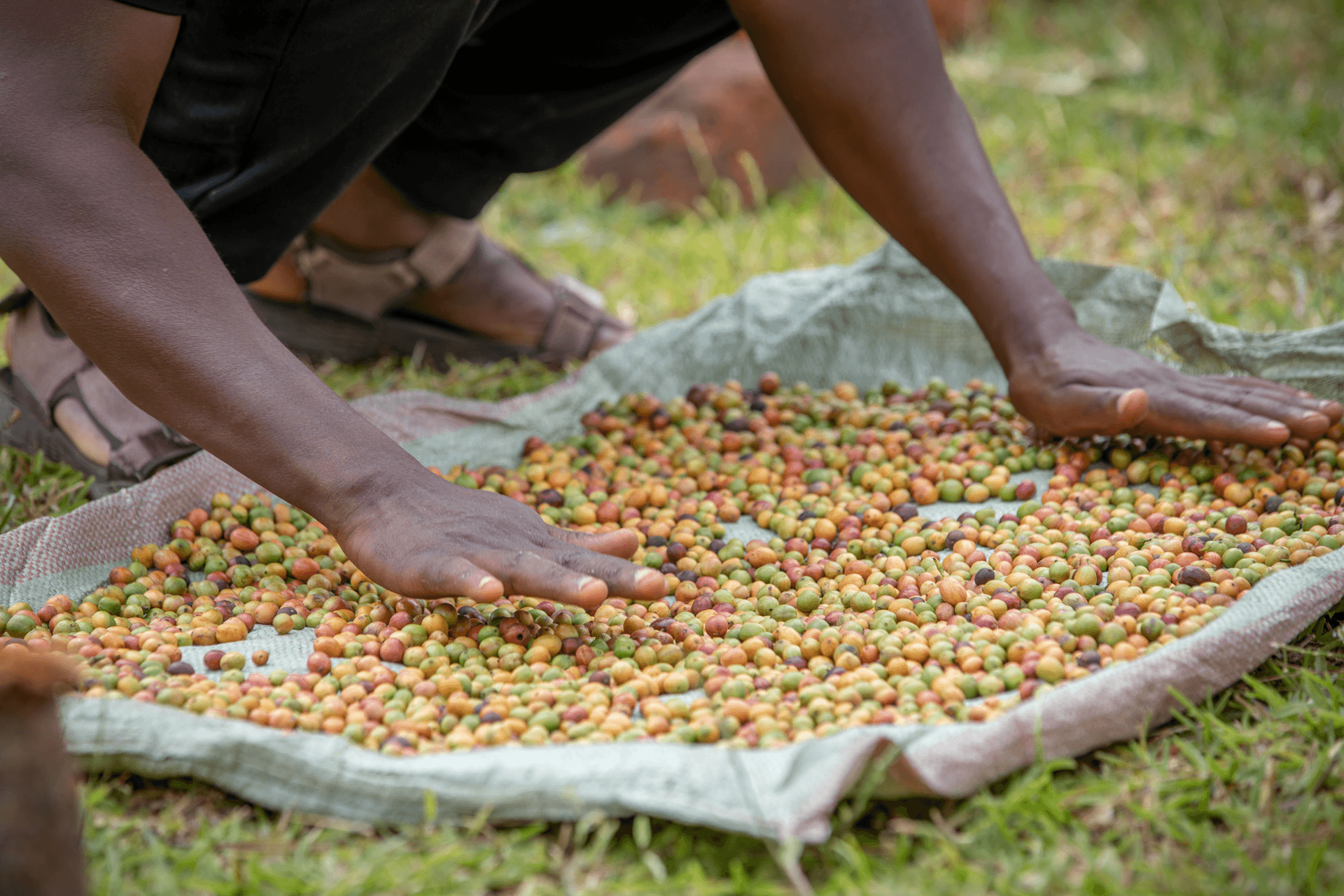
You do not have to be a salaried employee or a high-income earner. A farmer can save part of the proceeds from a harvest, a trader can save part of a day's profit, and a casual worker can put something aside whenever they earn.
Start with what you have, save consistently, and increase the amount as your income grows. Small amounts may seem insignificant today, but over time they can change your life. The important thing is to make saving a priority and give every amount you save a purpose.
My Smartlife journey has been one of growing confidence. I started cautiously, saved small amounts, earned interest and was able to access my savings when I needed them. Each experience encouraged me to save more.
After about two years, I can confidently speak about Smartlife from experience. I have explained it to my wife and other family members, including relatives abroad, because I have seen how structured saving can help money grow rather than simply being held or spent.
“Don't wait for something big. Whatever you get, put something aside.”
Farmers and business owners can treat a small portion of their daily or seasonal income as savings. Start with what you have, persevere, and have clear goals. It is important to distinguish between what you want to consume today and what can help you build the future you want.
NSSF Integrated Report 2026
Start typing to search the Integrated Report.
Download the full report, complete chapters or selected report sections.
No sections selected